Tooting Locksmiths Service Team
Local locksmith team
23 Sep 2026 13 min read
It is a frustrating moment — you go to lock up for the night, turn the key, and nothing happens. The latch does not throw, the multipoint lock will not engage, or the cylinder turns but the door stays stubbornly unlocked. For homeowners across Tooting, Balham, Streatham, and the surrounding SW17 and SW16 postcodes, a front door that refuses to lock is not just an inconvenience; it is a genuine security risk that needs sorting the same day. The good news is that in most cases there is a clear, fixable cause — and knowing what that cause is helps you have a more informed conversation with a locksmith.
This guide walks through the most common reasons a uPVC door or a traditional Yale lock stops locking properly, what a repair or lock change actually involves, and when it makes sense to call a professional rather than reach for the WD-40. Whether your door has dropped on its hinges, your gearbox has worn out, or your euro cylinder is simply refusing to cooperate, the advice below will give you a practical starting point.
## Why uPVC Multipoint Locks Stop Working — The Mechanics Behind the Failure
uPVC doors are fitted with multipoint locking mechanisms — a central gearbox, usually mid-door, connected to a series of hooks, bolts, and rollers that engage steel keeps embedded in the door frame when you lift the handle and turn the key. It is an effective system, but it has several moving parts that all need to be in alignment. When one element wears or shifts, the entire mechanism can refuse to engage. The three most common culprits on a uPVC front door in a Tooting terraced house are a dropped door, a worn or broken gearbox, and a faulty euro cylinder.
A dropped door is probably the single most frequent cause we attend. Over time, the weight of a uPVC door — heavier than it looks — causes the hinges to sag. Even a drop of three or four millimetres is enough to misalign the locking points with their keeps in the frame. You may notice the handle feels stiff to lift, or you can see a gap forming at the top corner of the door opposite the hinges. Before assuming the lock itself has failed, it is worth checking whether the door is sitting squarely in the frame. A skilled locksmith can often adjust the hinges to correct the drop without replacing any lock components at all.
## Worn Gearboxes and Broken Mechanisms — When a Lock Change London Is the Right Call
If the door alignment is fine but the multipoint lock still will not engage, the problem is usually internal — most likely the gearbox. The gearbox is the central drive unit that translates the handle movement and key turn into the upward and downward movement of the locking points. After years of daily use, the internal springs and cogs wear down, strip, or break altogether. You will often hear a grinding or clicking sound, or the handle may feel loose and travel further than it used to before anything catches. At that point, a lock change London is typically the most practical solution, because individual gearbox components are rarely sold separately and fitting a new mechanism is usually cleaner and more reliable than patching an old one.
Replacing a gearbox on a uPVC door involves removing the door panel (the plastic cover strip along the edge), extracting the old mechanism, and fitting a new one to the same spindle and screw spacing. It sounds straightforward, but uPVC lock mechanisms come in a wide range of case sizes, backsets, and hook configurations — a 35mm backset mechanism is not interchangeable with a 45mm one. Getting the wrong part means a second visit. An experienced locksmith will measure the existing mechanism before ordering, so the replacement fits first time. The final cost depends on the specific mechanism required, the door type, any travel involved, and whether the work is carried out during evenings, weekends, or bank holidays — all factors we confirm with you upfront before anyone sets off.
## Yale Locks and Nightlatches — Stiff Cylinders and Worn Springs
Traditional timber front doors in Tooting's Victorian and Edwardian terraces typically rely on a Yale-type nightlatch (the spring latch you pull shut as you leave) combined with a 5-lever mortice deadlock lower down — the kind insurers frequently ask for, and ideally to BS3621 standard. Each component can develop its own faults. A nightlatch that will not lock is often a sign of a worn return spring inside the cylinder, a damaged latch mechanism, or — very commonly — a cylinder that has become stiff through age, lack of lubrication, or minor damage. If the key is difficult to turn or only engages at a particular angle, the cylinder is telling you it is near the end of its useful life. Replacing the cylinder is a quick job and the most sensible upvc door lock repair London homeowners can make before the lock fails entirely at an inconvenient moment.
The 5-lever mortice deadlock lower down the door presents different symptoms. If the key turns but the bolt does not fully throw, the most likely causes are a worn bolt mechanism, a misaligned striker plate, or a swollen timber door that has expanded with seasonal damp — not unusual in SW London winters. A misaligned striker plate can sometimes be corrected by adjusting or repositioning the plate in the frame. A swollen door may need the mortice case repositioning or the door edge planning slightly, though that is a joinery task beyond a lock swap. It is always worth having a locksmith assess the full picture before committing to parts, because the fault is not always where it first appears.
## Euro Cylinders and Snap Protection — What Tooting Homeowners Should Know
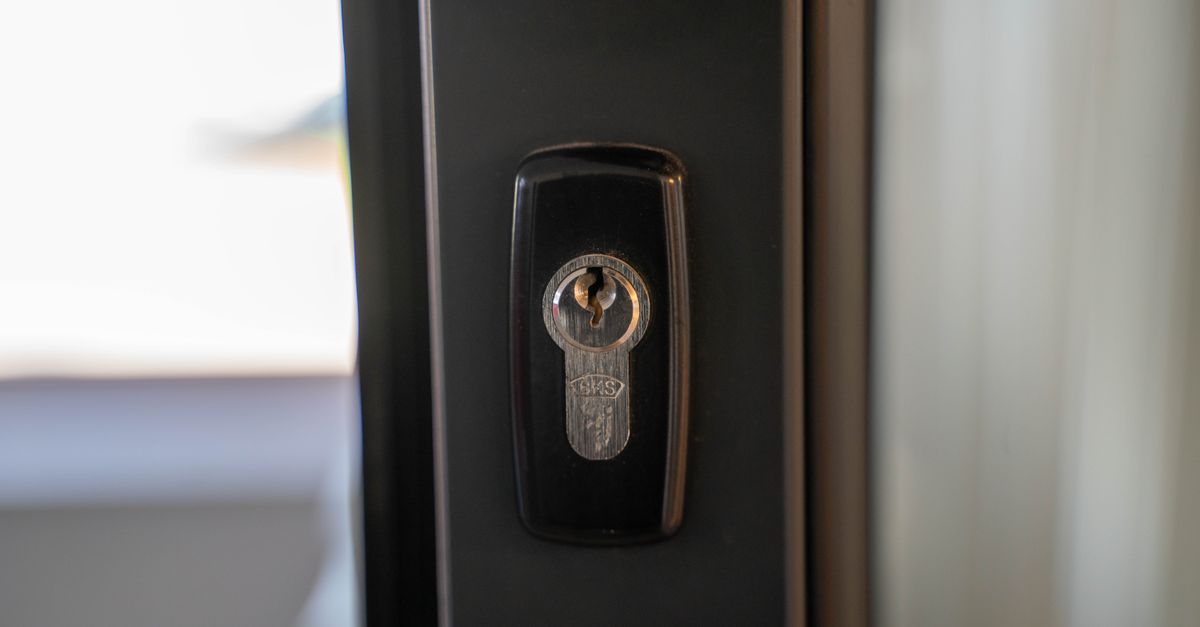
If you have a uPVC or composite front door, it almost certainly uses a euro cylinder — the oval-shaped barrel that accepts your key and operates the gearbox. Euro cylinders have a known vulnerability: cylinder snapping. A burglar can use a technique involving gripping and snapping the exposed portion of the cylinder, which breaks the lock open in seconds. It is a genuine risk on doors where the cylinder protrudes more than a few millimetres beyond the door furniture. Many doors in Tooting's residential streets still have basic cylinders that offer no meaningful resistance to this attack. When we carry out a door lock replacement London, we always recommend anti-snap cylinders rated to TS007 3-star or at least 1-star combined with a 2-star door handle — the standard that most home insurers now look for. The upgrade is a straightforward swap during the same visit.
A snapped or damaged euro cylinder will also prevent the door from locking in the normal way — sometimes the key turns freely with no resistance, or the cylinder spins entirely. If you notice the key feels suddenly different, or you can see the cylinder is visibly damaged or sitting at an odd angle, do not force it further. That is the moment to call a 24 hour locksmith London team. Forcing a compromised cylinder can push broken components deeper into the mechanism, making the repair more involved. If you find yourself locked out London as a result of a snapped or seized cylinder, check whether a neighbour holds a spare key, try any other entrance to the property that you can access legitimately, then call us — we send a locksmith straight away and are usually with you in around 30 minutes. We will confirm an exact up-front price on the phone before anyone sets off. Call 020 3675 7793 at any hour.
## What a Professional Fix Actually Involves — and When to Call an Emergency Locksmith London
A proper diagnosis visit from an experienced locksmith starts at the door itself — checking alignment, testing the handle travel, examining the cylinder, and operating the mechanism with and without the key to isolate exactly where the fault lies. That first-hand look is what separates a targeted repair from a guesswork parts order. For a dropped uPVC door, hinge adjustment may be all that is needed. For a worn gearbox, the mechanism will be measured, matched, and replaced. For a stiff or damaged cylinder, a new anti-snap barrel will be fitted and tested through its full range of movement before the locksmith leaves. For a mortice deadlock that is misaligned, the striker plate may be repositioned or the lock case refitted at the correct height.
When the situation is urgent — a door that cannot be secured overnight, a lock that has failed after a break-in attempt, or a scenario where you are locked out London with no other way in — that is precisely when an emergency locksmith London service earns its value. Our team covers Tooting and the wider SW London area around the clock, including evenings, weekends, and bank holidays. We are mobile, so there is no need to bring the door to us. The price for any call-out is confirmed clearly on the phone, taking into account the type of lock, the parts needed, the time of day, and travel to your postcode district. There are no hidden additions after the work is done. If you have been asking yourself what to do if you get locked out of your house, the short answer is: check for a spare key with a trusted neighbour, try any other legitimate entry point, and if neither is possible, call a professional — do not attempt to force the lock yourself, as that risks damaging the door and the frame and may make the eventual repair more costly. Call our team on 020 3675 7793 and we will talk you through the next steps calmly and quickly.
## Services We Carry Out Across Tooting and SW London
Our mobile team handles a wide range of residential lock and door security work across the SW17, SW16, and neighbouring postcode districts. Here is a full picture of what we cover: uPVC multipoint lock mechanism replacement; uPVC gearbox replacement; euro cylinder replacement (standard, anti-snap, anti-pick, anti-drill); TS007 3-star cylinder upgrades; Yale nightlatch replacement; Yale nightlatch cylinder replacement; 5-lever mortice deadlock fitting; BS3621 mortice deadlock installation; mortice deadlock cylinder replacement; hinge adjustment on dropped uPVC doors; hinge replacement on uPVC and timber doors; striker plate adjustment and repositioning; door frame repair following attempted forced entry; composite door lock servicing; multipoint lock lubrication and adjustment; door alignment correction; letterbox replacement with anti-finger and anti-rod shields; door chain fitting; door bar fitting; sash window lock fitting; additional deadlocking to communal entrance doors; lock change for tenants following change of occupancy (always with appropriate verification); lock change for landlords and letting agents between tenancies; emergency boarding following a break-in; non-destructive entry when locked out; and full door security assessments for homeowners who want to review their current setup. If you are unsure whether your specific situation is covered, a quick call to 020 3675 7793 will get you a straight answer.
## Tooting Local Knowledge — Why Location Matters for a Locksmith
Tooting has a distinctive mix of housing stock that shapes the kind of lock faults we most commonly see here. The Victorian and Edwardian terraces running off Tooting High Street and around Tooting Bec Common tend to have heavy timber doors with older Yale nightlatches and mortice deadlocks that have sometimes not been updated in decades — worn cylinders and misaligned striker plates are frequent on these. The more recently converted flats in and around Mitcham Road and the blocks closer to Tooting Broadway station often have uPVC communal entrance doors paired with individual flat doors, each presenting its own lock type. We know the streets, the housing types, and the lock mechanisms common to each — that local familiarity means less time diagnosing and more time fixing. As a 24/7 mobile locksmith London team, we do not operate from a shop; we come directly to you, wherever in the SW17 or surrounding area you are.
Frequently asked questions
My uPVC door handle lifts but the locking points do not engage — what has most likely gone wrong?+
This is a classic sign of a failed or failing gearbox inside the multipoint lock mechanism. The gearbox is the central component that translates your handle movement into the upward and downward drive of the hooks and bolts. When the internal springs or cogs wear out, the handle may still move but the mechanism does not follow. A locksmith will remove the door panel strip, extract the old gearbox, measure the case size and backset, and fit a matching replacement. In some cases, particularly on older uPVC doors, the entire multipoint mechanism needs swapping rather than just the central gearbox. Either way, it is not a repair to attempt without the right tools and parts knowledge, because fitting an incorrect case size will leave the door unworkable.
What should I do if I get locked out of my house and cannot get the front door open?+
First, stay calm and check whether anyone else holds a spare key to the property — a family member, a trusted neighbour, or your letting agent if you are a tenant. Next, check whether any other entrance to the property (a back door accessible through a gate you have a key to, for example) is open or more easily addressed. If neither option is available, call a professional locksmith rather than attempting to force the lock or the door. Forcing a lock or frame risks expensive damage to the door, the frame, and the mechanism, and can in some cases create a larger security problem. When you call 020 3675 7793, we will ask you to confirm you are the occupant or have authority to access the property, then send a locksmith straight away — we are usually with you in around 30 minutes. The price is confirmed clearly before we set off.
How do I know if my euro cylinder needs replacing or if the problem is elsewhere in the lock?+
A euro cylinder that needs replacing will typically show one or more of these signs: the key is stiff or only turns at a specific angle; the cylinder has visible damage or sits proud of the door furniture by more than a few millimetres; the key turns freely with no resistance (a sign the cylinder has snapped internally); or the lock operates inconsistently — working sometimes but not others. If the cylinder tests fine but the door still will not lock, the fault is likely in the gearbox or the door alignment rather than the cylinder itself. A locksmith can test both in a single visit and will tell you clearly which component needs attention before carrying out any work.
Can I change a deadlock or mortice lock myself, or should I call a locksmith?+
[9] Replacing a 5-lever mortice deadlock involves chiselling out the mortice pocket in the door edge to the correct dimensions, fitting the lock case, cutting or adjusting the keyhole, and aligning the striker plate in the frame precisely. If any of these measurements are off, the bolt will not throw cleanly and the door will not lock securely. It is a task that benefits from proper tools and experience, particularly if you want the replacement to meet BS3621 — the standard most home insurers require for front door deadlocks. If you are simply swapping a like-for-like cylinder on an existing mortice lock, that is more straightforward, but it is still worth having a professional confirm the size and security rating of the replacement before fitting. Call 020 3675 7793 and we can advise you on the right approach for your specific door.