Why Keys Snap — and What Happens Inside the Lock
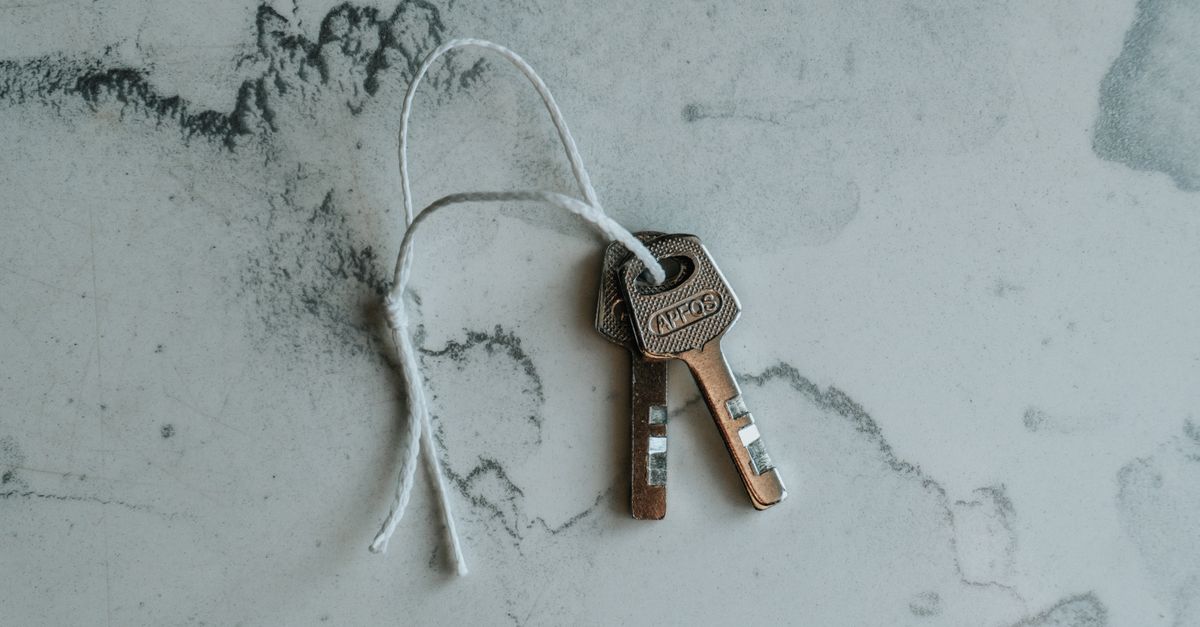
Keys break for a handful of well-understood reasons: metal fatigue from years of daily use, a lock mechanism that has become stiff or corroded so the key is put under sideways stress, or simply forcing a key when it is not quite aligned with the shear line. In older Tooting properties — particularly the Edwardian and Victorian terraced houses that make up much of the streets around Franciscan Road and Emmanuel Road — original brass nightlatch keys and long-shank mortice keys can be decades old, and the metal simply gives way. On newer uPVC and composite front doors, euro cylinder keys are smaller and thinner, which makes them more susceptible to snapping if the cylinder itself has started to wear.
Once a key snaps, the broken fragment typically comes to rest in one of two positions: either partly protruding from the keyway, which looks hopeful but can still be tricky to grip safely, or fully recessed inside the barrel, which is significantly harder to deal with without the right tools. Attempting to retrieve it with pliers, tweezers, a pen knife or anything you happen to find in a kitchen drawer risks pushing the fragment deeper, scoring the inside of the cylinder, or — in the case of a mortice lock — jamming the levers so that even a new key will not operate the lock afterwards. The safest call, almost always, is to stop, leave the fragment where it is, and contact a qualified locksmith.