Tooting Locksmiths Service Team
Local locksmith team
16 Sep 2026 10 min read
Few questions cause more friction between tenants and landlords than who has the right to change the locks on a rented home — and what happens when it goes wrong. Whether you have just moved into a flat on Tooting High Street, are handing back keys at the end of a tenancy in SW17, or are a landlord preparing a property for new occupants, understanding the rules around lock changes can save you from a costly legal dispute or a stressful lockout.
This guide covers the legal position in England, the practical steps involved in changing the lock or cylinder on a rented property, and when calling a professional locksmith London service is the right move for everyone involved.
## What the Law Actually Says About Changing the Lock on a Rented Home
In England, a landlord does not have an automatic right to change the lock on a property while a tenancy is in place. Under the Protection from Eviction Act 1977, changing the locks to prevent a tenant from entering their home — without a court order — is considered an illegal eviction. This applies whether the rent is overdue, the relationship has broken down, or the landlord simply wants possession back. The consequences are serious: tenants can seek an injunction to re-enter and claim damages, and landlords can face criminal prosecution. The rule is straightforward — if someone has a legal right to occupy a property, only a court can remove that right.
Tenants, on the other hand, are generally allowed to add a lock or change a lock during their tenancy, but most standard tenancy agreements require the landlord's written permission first. If permission is given, the tenant is usually required to hand over a copy of the new key. At the end of the tenancy, the original lock should be restored or a key provided so the landlord can regain access. Doing otherwise could result in deductions from the deposit for the cost of a lock change London service to restore access.
## When a Landlord Can Legitimately Change the Lock
There are clear, lawful situations where a landlord or letting agent can arrange for a lock change. The most common is at the end of a tenancy, once the tenant has formally vacated and returned all keys. At that point, changing the cylinder or the whole lock set is not just permitted — it is strongly advisable. You have no way of knowing how many copies of the key exist, and a fresh cylinder costs far less than dealing with an unauthorised entry. If a former tenant has changed the locks themselves during the tenancy and failed to provide a key, the landlord may need to call an emergency locksmith London to regain entry — this is a legitimate use of professional locksmith services, and the cost is typically recoverable from the deposit.
A landlord may also need to arrange a door lock replacement London if the existing hardware is damaged, worn, or no longer meets the standard required by their buildings insurer. Many insurers ask that front doors carry a British Standard BS3621 5-lever mortice deadlock and a suitable nightlatch. On uPVC and composite doors — which are common throughout the terraced streets and purpose-built blocks of flats that make up much of Tooting — a multipoint lock with a euro cylinder is the norm. If that cylinder is showing signs of wear or is not an anti-snap, TS007 3-star rated model, replacing it is a sensible security measure that protects both the landlord's asset and the tenant's safety.
## How a Professional Lock Change Works at a Tenancy Changeover
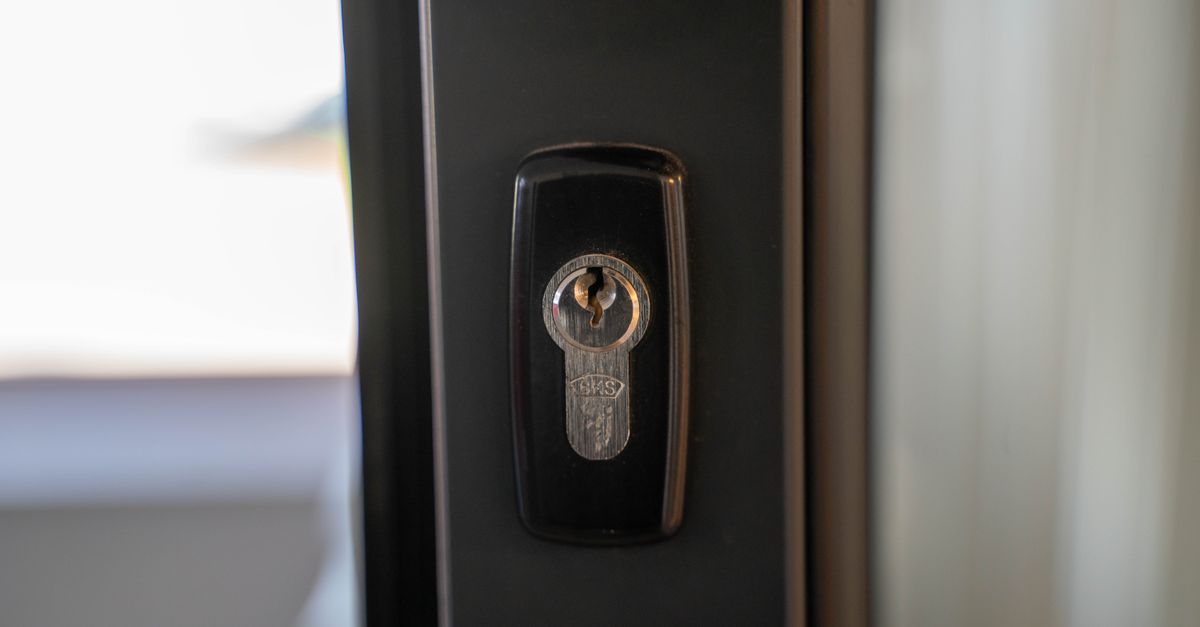
A lock change at the end of a tenancy is usually a straightforward job for a skilled locksmith, but the right approach depends on the door type. For a traditional timber front door, the job typically involves replacing the euro cylinder on the mortice deadlock, and sometimes the nightlatch cylinder too. For a uPVC or composite door with a multipoint lock, only the euro cylinder usually needs to be swapped out — the multipoint mechanism itself stays in place. The locksmith will check that the replacement cylinder is the correct size for the door, is anti-snap rated (particularly important in Tooting, where cylinder-snapping has been used as a burglary technique on uPVC doors in the area), and operates smoothly before the job is signed off.
If you are a landlord who manages several properties, it is worth asking your locksmith about upgrading to a system that allows master-keying across your portfolio — so that a single key can open multiple properties while each tenant still has their own individual key. This is a practical option that our team can advise on when we attend. If you need us at short notice between tenancies, we operate as a 24 hour locksmith London service, so a changeover on a weekend or bank holiday is never a problem. Call 020 3675 7793 and we will send a locksmith straight away — we are usually with you within about 30 minutes.
A note on coded and combination locks: some landlords and house-share managers fit keypad or combination door locks to communal doors or individual rooms. If you need to know how to change the code on a door lock of this type, the process varies by brand and model. For a Honeywell electronic lock, for example, the master code reset procedure is outlined in the product manual and typically involves holding a programme button while entering the existing admin code. For a mechanical combination lock, changing the code usually requires following a specific sequence of turns as described by the manufacturer. Because the steps differ so much between products, we always recommend checking your lock's manual or calling us — we can advise on whether a code reset, a battery replacement, or a full door lock replacement London is the most sensible solution for your situation.
## Locked Out of a Rented Property: What Tenants and Landlords Should Do
If a tenant finds themselves locked out London — perhaps after losing a key or returning to find the lock has been changed without warning — the first step is to stay calm and check whether there is another way in: a spare key held by a trusted neighbour, a managing agent who holds a copy, or a rear door that may be accessible. If the landlord has changed the locks unlawfully, the tenant should document the situation (photograph the door and lock) and contact a solicitor or Shelter for advice on their rights, as well as contacting the local council's housing enforcement team.
For a straightforward lockout where no key is available and no one holds a spare, calling a qualified locksmith is the right course of action. A professional locksmith will verify that you have a legitimate right to access the property before carrying out any work — this might mean asking to see a tenancy agreement, a utility bill, or photo ID with the address on it. We take this responsibility seriously. As a fully insured locksmith London service, our team carries out the necessary checks before opening any door, protecting both the person requesting access and the property owner. For upvc door lock repair London needs — where a faulty multipoint lock is preventing the door from opening even with the correct key — we carry a range of common replacement parts and can often resolve the issue in a single visit.
## Choosing the Right Locksmith for a Rented Property in Tooting
Whether you are a tenant needing help after hours, a landlord preparing a flat for new occupants, or a letting agent managing a portfolio of properties across SW17 and the surrounding areas, the locksmith you call should be someone you can trust to work professionally, verify identity appropriately, and explain exactly what the job involves before starting. At Tooting Locksmiths, we are trained, experienced, and fully insured — and we work across Tooting and the wider south London area every day.
The final cost of any lock change or repair depends on several factors: the type of door and lock involved, the specific parts required, the time of day or night, and the travel distance to your property. We confirm an exact up-front quote over the phone before anyone comes out, so there are no surprises on the invoice. We do not operate a shop — we are a fully mobile service, attending your address directly with the tools and parts needed to get the job done. If you are a landlord, letting agent, or housing association looking for a reliable locksmith London team to handle tenancy changeover lock changes, emergency access, or security upgrades across your properties, we are ready to help. Call 020 3675 7793 — we answer 24/7, evenings, weekends, and bank holidays included.
Frequently asked questions
Can a landlord change the locks without telling the tenant?+
No. In England, changing the locks on a property while a tenancy is in force — without a court order — is an illegal eviction under the Protection from Eviction Act 1977, regardless of whether rent is in arrears or the landlord wants the property back. The only lawful time a landlord can change the lock without the tenant's involvement is after the tenancy has ended and the tenant has vacated. If you believe your landlord has changed the locks unlawfully, document the situation and seek legal advice immediately.
Can a locksmith open a door if I am a tenant and I have lost my key?+
Yes. A qualified locksmith can open a locked door for a tenant who has lost their key, but they will first ask you to verify that you have a legitimate right to access the property. This typically means showing a tenancy agreement, a utility bill in your name at that address, or photo ID. At Tooting Locksmiths, we carry out these checks as standard before opening any door — this protects you and the property owner. Once inside, we can also change the lock or cylinder if the lost key means your security has been compromised.
How do I change the code on a door lock or combination lock fitted by a landlord?+
The process for how to change the code on a door lock depends entirely on the make and model. For an electronic keypad lock, such as a Honeywell door lock, the reset procedure usually involves entering the existing master code and following a programming sequence — the exact steps are in the product manual. For a mechanical combination lock, there is typically a reset tool or a specific sequence of dial turns required. If you are a tenant, check your tenancy agreement before changing any code, as you may need your landlord's written permission. If you cannot locate the manual or the lock is not responding correctly, call us on 020 3675 7793 and we can advise whether a code reset or a full lock replacement is the right solution.
Should a landlord always change the lock between tenancies?+
Yes — it is very strongly advisable. When a tenancy ends, you have no way of knowing how many copies of the key were made during the tenancy. Changing the euro cylinder on a uPVC or composite door, or replacing the cylinder on a mortice deadlock, is a straightforward job that removes any risk from outstanding key copies. It is also a good opportunity to upgrade to an anti-snap, TS007 3-star rated cylinder, which is the standard insurers and security professionals recommend for properties in London. The cost of a cylinder replacement is minimal compared to the potential cost of a break-in or an unauthorised entry dispute. Call 020 3675 7793 to arrange a lock change London at a time that suits your tenancy schedule.