Tooting Locksmiths Service Team
Local locksmith team
26 Aug 2026 12 min read
Most people only think about their door cylinder when something goes wrong — the key sticks, the lock feels gritty, or worse, they find themselves locked out on a wet Tuesday night in Tooting. But taking two minutes to measure your euro cylinder properly before anything goes wrong can save you a great deal of trouble. Whether you are replacing a worn-out barrel on a uPVC front door in Furzedown, upgrading security after a break-in attempt near Tooting Bec Common, or simply wondering whether your current cylinder is a snapping risk, this guide walks you through exactly what to measure, what the numbers mean, and why getting it wrong leaves your door dangerously vulnerable.
This is a practical, step-by-step guide written for homeowners and tenants in and around Tooting. No trade knowledge required — just a tape measure, good light, and about two minutes.
## What Is a Euro Cylinder and Why Does the Size Matter So Much?
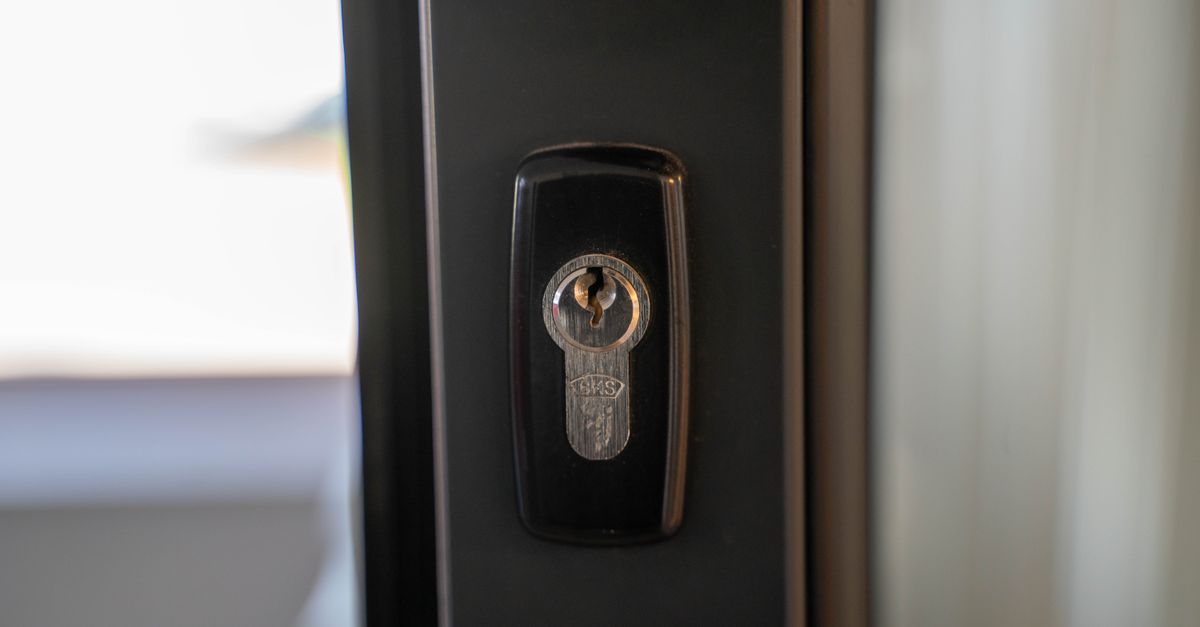
A euro cylinder is the oval-shaped barrel that sits inside the lock on most uPVC and composite front doors, as well as many back doors and French doors. It is the part your key actually turns. Unlike a traditional 5-lever mortice deadlock — the type buried into the edge of a timber door and often required by home insurers under BS3621 — a euro cylinder is held in place by a single central screw and can, in theory, be removed in seconds with the right tool. That convenience cuts both ways: it makes legitimate replacement straightforward, but it also means a poorly sized cylinder is one of the most common points of attack on UK doors.
If the cylinder protrudes more than three millimetres beyond the face of the door furniture (the external handle or escutcheon plate), a burglar can grip it with a cheap pair of pliers or mole grips, apply rotational force, and snap the cylinder in under a minute. This technique — known as lock snapping — is well documented across London and requires no specialist skill. A correctly sized, flush or near-flush anti-snap cylinder rated to TS007 3-star removes that vulnerability almost entirely. Getting the measurement right before you buy a replacement is therefore not a minor admin task; it is the most important step in the whole job.
## How to Measure a Euro Cylinder: Step-by-Step
Remove the door furniture if possible — but if you cannot, you can still measure accurately with the hardware in place. Open your door and look at the cylinder face-on. You will see it is divided into two halves by the central fixing hole where the retaining screw sits. The side facing outside your home is the external half; the side facing into your hallway is the internal half. These two halves are almost always different lengths, and that asymmetry matters. Use a metal tape measure or a rigid steel rule — a cloth tape can stretch and give you a reading that is a millimetre or two out, which is enough to cause problems.
Measure from the centre of the fixing hole to the outer edge of the cylinder on the external side. Write that number down. Then measure from the centre of the fixing hole to the outer edge on the internal side. Write that number down too. A euro cylinder is sold using a format that expresses these two measurements together: external measurement first, then internal. So if your external side is 40 mm and your internal side is 45 mm, you need an 40/45 cylinder. Common sizes in UK residential doors include 35/35, 40/40, 35/45, 40/45, and 45/55, though doors vary — especially older timber-framed doors in Tooting's Victorian terraces, which sometimes have non-standard depths. Always measure your specific door rather than relying on a neighbour's size or a sticker left by the previous owner.
Once you have your two figures, check the cylinder currently in the door. If the external face sits flush with or slightly recessed into the door furniture, that is correct. If it sticks out noticeably — particularly on the outside — that overhang is a snapping target. When you buy a replacement, choose a size that keeps the external face flush. If the door furniture itself is very thin, you may need to also check whether a thumb-turn cylinder (which replaces the internal keyway with a rotating knob, handy for those with mobility needs or who want to avoid double-locking themselves in) is a suitable option for your door type.
## Anti-Snap Cylinders and TS007: What the Ratings Actually Mean
Once you have the correct measurements, the next decision is which cylinder to fit. This is where many homeowners unknowingly cut corners. A basic replacement cylinder from a builders' merchant might be the right physical size, but it may offer no meaningful resistance to snapping, drilling, or picking. For doors in and around London, the benchmark worth aiming for is a cylinder that carries a TS007 3-star rating — the highest level under that British Standard, combining snap resistance, pick resistance, and drill resistance in a single product. Some insurers in the UK now specifically ask for TS007-rated hardware, so it is worth checking your policy wording before you buy.
Anti-snap cylinders are designed with a deliberate break point. If a burglar attempts to snap the external section off, the cylinder sacrifices that outer portion — but crucially, the internal mechanism remains intact and the door stays locked. Without that feature, a successful snap attack takes the whole barrel with it and leaves the door bolt free to retract. When our team carries out a lock change London homeowners frequently ask about, we always assess whether the existing cylinder has any snap resistance at all, and in many cases the answer — particularly in older uPVC doors — is no. Upgrading at the same time as replacement is straightforward and costs no more in labour.
## Common Measuring Mistakes — and What They Cost You
The most frequent error is measuring the cylinder itself rather than measuring from the fixing-hole centre. If you measure the full length of the cylinder and then split it in half, you will get the wrong figure for any asymmetric barrel, which is most of them. Always measure each side independently from the centre of the fixing hole. The second most common mistake is ignoring the door furniture thickness. The escutcheon plate or handle surround adds its own depth on the external face. Measure to the face of the door furniture, not to the cylinder edge poking through it — that way your chosen replacement will sit correctly within the hardware rather than proud of it.
A cylinder that is too short brings its own problems: it may not engage the cam (the internal lever that throws the bolt) properly, leaving you with a lock that feels loose, fails to lock fully, or requires the key to be held at an awkward angle. If you have ever struggled with a key that only works when you lift the handle simultaneously, a slightly undersized or misaligned cylinder is often the cause. If you are unsure after measuring, or if your door is a composite door with a multipoint lock — which engages several bolt points up and down the door frame simultaneously — it is well worth calling a professional locksmith before ordering parts. Getting the wrong size means a wasted journey to the trade counter and potentially a night with the door not fully secured. If you would like advice specific to your door, call us on 020 3675 7793 — we answer around the clock.
## When to Call a Locksmith Rather Than DIY — Locked Out London and Beyond
Measuring and replacing a euro cylinder is a reasonable DIY job on a straightforward uPVC door, provided you are comfortable removing the door handle assembly and you have the correct tools. But there are situations where calling an experienced locksmith is the right move from the outset. If you are locked out of your home in London — whether in Tooting, Streatham, Balham, or anywhere else across the capital — do not attempt to force entry. Check first whether any other door or window has been left unlocked, whether a trusted neighbour holds a spare key, or whether your letting agent or housing association has emergency access arrangements. If none of those apply, our team can reach most addresses in Tooting within around 30 minutes of your call, and we will confirm an exact up-front price before any work begins — the final quote depends on factors such as the lock type, the time of day, travel distance, and whether parts are needed.
Beyond lockouts, there are other scenarios where professional help is the sensible option. If the cylinder has already been snapped or drilled — perhaps discovered on returning home — the door lock replacement London residents need in that situation involves assessing whether the door frame and multipoint lock mechanism have also been damaged before fitting a new cylinder. A skilled locksmith can spot secondary damage that is easy to miss. Similarly, if you are a landlord managing a property in Tooting and a tenancy has ended, changing the cylinder promptly and fitting one of an appropriate security rating protects both the property and your legal position. Our team carries out upvc door lock repair London wide, as well as mortice lock work, nightlatch replacement, and full door lock replacement — all as a 24 hour locksmith London service with no appointment needed. If security feels uncertain or you simply want a professional eye on your door, call 020 3675 7793 at any hour and we will send someone straight out.
## 25 Services We Offer Across Tooting and Greater London
Our mobile team covers Tooting and surrounding areas as a fully insured emergency locksmith London service. Here is a specific breakdown of what we do: euro cylinder measurement and replacement; anti-snap TS007 cylinder upgrades; uPVC multipoint lock repair and replacement; Yale nightlatch replacement and upgrade; 5-lever mortice deadlock installation to BS3621; door lock replacement for timber, uPVC, and composite doors; emergency lockout assistance for residential properties; non-destructive entry where possible to avoid door damage; destructive entry when no other option is safe; lock change after a break-in; lock change following end of tenancy; communal entrance lock repair for blocks of flats; door alignment adjustment when a warped frame causes locking difficulty; keep and striker plate repair and reinforcement; door frame repair following forced entry; letterbox restrictor fitting; door chain and door limiter fitting; thumb-turn cylinder installation for accessibility needs; internal door lock fitting; bathroom lock replacement; wooden door lock repair; uPVC door handle and mechanism repair; French door lock repair; back door lock replacement; emergency boarding-up service after break-in or damage.
Frequently asked questions
How do I know if my euro cylinder is the right size for my door?+
The simplest check is to open your door and look at the cylinder from outside. The face of the cylinder should sit flush with the door furniture — the handle plate or escutcheon — or very slightly recessed. If it protrudes noticeably, it is oversized on that side and presents a snapping risk. To confirm the correct size, measure from the centre of the retaining screw hole to each outer edge independently. The two figures give you the cylinder specification you need (for example, 40/45). If the cylinder is loose in the door, turns without fully engaging the bolt, or the key requires an awkward angle to operate, it is likely the wrong size or the wrong type for that lock case.
Can I change a euro cylinder myself, or do I need a locksmith?+
On a standard uPVC door with a straightforward multipoint lock, replacing a euro cylinder is within reach for a confident DIYer. You need a screwdriver to remove the central retaining screw, the door handle to be removed, and the correct replacement cylinder in the right size and security rating. The process typically takes 20 to 30 minutes. However, if the existing cylinder is damaged, if the lock case itself has been interfered with, if the door is misaligned, or if you are not certain of the correct size, calling a qualified locksmith avoids the risk of being left with a door that will not lock properly. When in doubt, a quick call to our team on 020 3675 7793 at any time will get you an honest assessment.
What is lock snapping and how can I prevent it?+
Lock snapping is a forced-entry technique in which the external portion of a euro cylinder is broken off using gripping tools and leverage. Once the outer section snaps away, the internal mechanism of a standard cylinder is exposed and the door can be opened without a key. It requires no specialist skill and can be done silently in under a minute, which is why it is a known method used in residential burglaries across London. The most effective prevention is fitting an anti-snap cylinder rated to TS007 3-star. These cylinders are engineered with a deliberate sacrificial break point: the outer section can still be snapped under attack, but the internal mechanism stays intact and the door remains locked. Getting the cylinder size right — so it does not protrude beyond the door furniture — is equally important, as overhang gives an attacker something to grip.
How much does it cost to replace a euro cylinder in Tooting?+
We do not quote prices here because the right figure depends on several factors: the type and security rating of the cylinder needed, the door type and lock case, the time of day — including evenings, weekends, and bank holidays — and travel distance. What we always do is give you a clear, agreed price over the phone before anyone travels out to you. There are no surprise additions once the job is done. To get an exact quote for your specific door and situation, call us on 020 3675 7793 at any time — we are available around the clock.