Tooting Locksmiths Service Team
Local locksmith team
7 Oct 2026 14 min read
If you look at a typical front door in Tooting — say, on one of the terraced streets running off Tooting High Street or the quiet residential roads near Tooting Bec Common — you will almost certainly see two locks. There is a small oval knob or lever handle near the top of the door, and a keyhole set into the door face a little lower down. Most homeowners use both every day without giving them much thought, until one of them stops working, or they find themselves locked out at midnight. Understanding what each lock is, how it works, and what job it is doing will help you make smarter decisions about your home security — and help you know when to call for help.
The two locks are a nightlatch (commonly called a Yale lock) and a mortice lock. They work in completely different ways, they offer different levels of security, and most UK insurers expect to see both on a front door. This guide explains each one clearly, covers what to look for on a door knob with lock and key, explains the difference between a 2 lever and a 5 lever mortice lock, and tells you how to know when your locks need attention from a qualified locksmith.
## What Is a Mortice Lock, and Why Does It Live Inside the Door?
[8] A mortice lock is a lock that is fitted inside a pocket — the mortice — that is cut directly into the edge of the door. Because the lock body is hidden within the door itself, it is far more resistant to brute-force attack than a lock screwed to the door surface. When you turn your key, a bolt slides out of the door edge and into a metal keep (also called a strike plate) that is mortised into the door frame. That bolt does not spring back on its own — it stays thrown until you use the key again, which is why a mortice deadlock is sometimes called by different names in other English-speaking countries, though in the UK the standard term is mortice deadlock or simply deadlock.
What is a mortice lock protecting you from, exactly? Because the bolt is fully enclosed within the door and frame, it is very difficult to force back without either the correct key or significant, noisy physical damage to the door. The number of levers inside the lock is what determines its security rating. A 2 lever mortice lock has two levers that the key must lift to exactly the right height to draw the bolt; these are common on internal doors and lighter garden gates, but they offer a relatively low level of security. A 5 lever mortice lock has five levers, far more possible key combinations, and is the minimum standard that most home insurance policies in the UK require on an external door. If your insurer specifies BS3621 — which many do — you need a 5 lever mortice lock that has been independently tested to that British Standard. If you are unsure what you have, our team can check during any visit.
## The Nightlatch — What Is a Rim Lock and How Does It Differ?
The lock near the top of the door, operated by that small knob or handle, is a nightlatch — most people call it a Yale lock, though Yale is simply a well-known brand name. The technical term for how it is fitted is a rim lock, because the lock body is mounted on the rim (the flat, inside face) of the door rather than inside it. If you have ever wondered what is a rim lock, that is the answer: it sits on the surface of the door, secured by screws, with a cylinder (the barrel that accepts your key) pushed through the door from the outside. What is a rim cylinder? It is the separate euro-style or oval-profile cylinder that slots into the nightlatch body — the cylinder is what your key turns, and the body of the lock contains the latch mechanism.
The nightlatch works on a spring-loaded latch bolt: a shaped, angled bolt that snaps back automatically when the door closes, locking you in without any extra action needed. From outside, you use your key to retract the latch; from inside, you use the knob or lever handle. This automatic action is incredibly convenient, but it also means the door is only as secure as the latch mechanism itself. A standard nightlatch does not meet BS3621 on its own, and the cylinder can be vulnerable to snapping or picking if it is an older or lower-grade fitting. Many households in Tooting have older rim cylinders that have never been changed since the door was installed — which is worth thinking about, especially if you have recently moved in.
## Why Most UK Front Doors Need Both Locks Working Together
The nightlatch and the mortice lock complement each other because they guard against different kinds of attack. The nightlatch gives you instant, automatic security every time the door swings shut — nobody can walk in through a closed front door without a key or by forcing the latch. The mortice deadlock provides the robust, insurer-approved bolt that cannot be retracted without the correct key and that holds the door solidly into the frame even if someone tries to kick it. Together, they also create a redundancy: if one lock fails or a key is lost, the other lock still provides a barrier while you arrange a replacement.
There is a practical scenario worth knowing about: if you leave home and only pull the door shut (relying on the nightlatch), and then the nightlatch latch bolt is slipped or the cylinder snapped, an intruder can get in. If you deadlock the mortice every time you leave — which takes one extra turn of the key — the door requires both locks to be defeated. Insurance policies that ask for two locks on the front door are reflecting exactly this logic. If you are a tenant, your letting agent or housing association may also have specific requirements about the locks on your front door; a qualified locksmith can advise and fit the right hardware. If you need a lock change London homeowners or renters can rely on, or if you are dealing with a door lock replacement London properties often need after a move, our team carries the right stock for a same-visit job.
## uPVC and Composite Doors — When There Is No Visible Mortice
Lots of Tooting properties, particularly post-1990s purpose-built flats and houses with replaced front doors, have uPVC or composite doors rather than timber ones. These doors look quite different: instead of a door knob with lock and key and a separate keyhole, you typically see a single handle with a euro cylinder above it. Inside the door, a multipoint locking system throws multiple bolts and hooks into the frame when you lift the handle and turn the key. There is no traditional mortice pocket because the door profile is not solid timber, but the multipoint mechanism performs a similar deadlocking function across several points of the door at once.
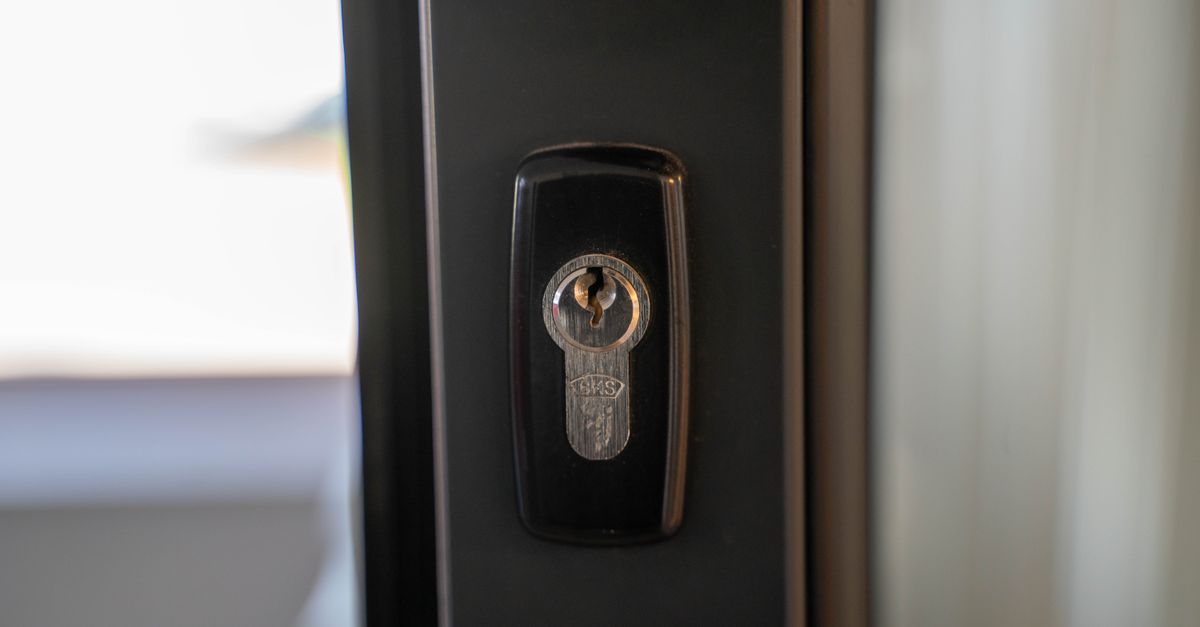
The main vulnerability on these doors is the euro cylinder itself. Cylinder snapping — where a burglar uses a technique involving a screwdriver and snapping the cylinder in half to open the door — is a known issue in the UK, including in London. If your uPVC or composite door still has the original cylinder that came with the door, there is a reasonable chance it does not meet the TS007 3-star standard or is not anti-snap rated. Upgrading to a quality anti-snap cylinder is one of the most cost-effective security improvements you can make. If you have recently had trouble with your handle or cylinder, or if the door is not locking or unlocking smoothly, that is a job for uPVC door lock repair London residents can book quickly — do not leave a stiff or unreliable lock unattended, as the mechanism can fail completely at short notice. For anything urgent, call 020 3675 7793 and we will send a locksmith straight away, usually with you in around 30 minutes.
## When to Call a Professional Locksmith London — and What Happens During a Visit
Knowing what your locks are and how they work helps you spot when something is wrong. Signs that your mortice lock needs attention include the key feeling stiff or gritty, the bolt not throwing fully, or the key needing to be jiggled before it will turn. With a nightlatch, warning signs include the latch bolt not snapping back crisply, the knob turning without retracting the bolt, or the cylinder feeling loose in the door. Neither situation should be ignored — a lock that is struggling is a lock that is about to fail, possibly at the worst possible moment. If you are locked out London can feel like a hostile place at 2am, and a compromised lock can become a full lockout very quickly.
When you call us, a trained locksmith will assess your situation, confirm the work needed, and give you an exact up-front quote before anything is started — the factors that go into that quote include the type of lock, the time of day, travel to your address, and any parts required. There are no surprise figures on the invoice. Our team carries a range of mortice locks, rim cylinders, euro cylinders and multipoint locking components in the van, so most lock change London jobs and door lock replacement London visits can be completed on the same call without a return trip. We cover Tooting and the surrounding areas of South West London as a 24 hour locksmith London, and we are available on evenings, weekends and bank holidays. As an emergency locksmith London homeowners, tenants and landlords can rely on, we also deal with communal entrance doors, back doors, and the full range of door types found across London's housing stock. Call 020 3675 7793 — we answer 24/7.
## Choosing and Upgrading Your Locks — Practical Steps for Tooting Homeowners
If you have just moved into a property anywhere in the SW17 or SW16 postcode district, the first thing worth doing is having the locks changed. You have no way of knowing how many copies of the previous keys exist, and a lock change is straightforward for a qualified locksmith. If your front door has a 2 lever mortice lock, upgrading to a 5 lever mortice lock that meets BS3621 is advisable both for genuine security and to satisfy your insurer. If you have an older nightlatch with a basic rim cylinder, consider whether the cylinder has any anti-pick, anti-drill or anti-snap features; if not, a cylinder upgrade is a sensible step. For timber doors, an exterior door knob with lock and key that is awkward or damaged can often be replaced at the same time as a lock service visit. For uPVC doors, anti-snap cylinders in the correct size are the priority. Our team can advise on the right specification for your door and your insurer's requirements, with no obligation to proceed until you have heard and agreed to the full up-front price.
## Our Locksmith Services Across Tooting and South West London
Whether you are on Tooting High Street, in one of the mansion conversions near Tooting Bec, or in a modern flat closer to Colliers Wood, our mobile team offers a wide range of services with no appointment needed. These include: emergency door opening for locked out London callouts, 5 lever mortice lock supply and fitting, 2 lever mortice lock replacement on internal doors, BS3621 mortice deadlock upgrades, nightlatch and rim lock replacement, anti-snap euro cylinder supply and fitting, TS007 3-star cylinder upgrades for uPVC doors, multipoint lock repair and replacement, uPVC door lock repair London visits, composite door lock servicing, door lock replacement London wide, door alignment and adjustment where a warped door is causing locking problems, wooden door lock repair, timber door frame repair following a forced entry, lock change London for new tenants and new homeowners, communal door lock repair for blocks of flats, landlord lock change between tenancies, letterbox security upgrade, door hinge bolt fitting, door chain and door bar fitting, security survey and lock recommendation visits, non-destructive door opening, and lock-out response for all residential door types. We operate as a 24 hour locksmith London service on every day of the year, including bank holidays. As your local emergency locksmith London team, we aim to reach you in around 30 minutes from your call.
## A Note on Getting the Right Advice
There is no shortage of ways to find a tradesperson in London, and homeowners sometimes feel uncertain about who to trust and how to verify that someone is genuinely qualified rather than simply claiming to be. Our practical advice: ask any locksmith who attends your property whether they are insured, how they will price the job, and whether they will confirm an up-front quote before starting work. A skilled, experienced locksmith will have no hesitation answering all three questions clearly. We are fully insured, we confirm an exact price before we begin, and we are happy to explain everything we find and everything we recommend. There is no pressure and no upselling of unnecessary work — if the lock only needs a service rather than a replacement, we will tell you. If you have any doubt about which type of lock you have, what standard it meets, or whether it is functioning correctly, the easiest step is to call us and ask. We are on 020 3675 7793, available 24/7.
Frequently asked questions
What is a mortice lock, and do I need one on my front door?+
A mortice lock is a lock fitted inside a pocket cut into the edge of the door. Its bolt slides into the door frame and can only be retracted with the correct key. For external front doors in the UK, a 5 lever mortice lock — ideally one meeting BS3621 — is what most home insurers ask for and what security professionals recommend. A 2 lever mortice lock is considered adequate only for internal doors. If you are unsure what is fitted on your door, we can check and advise on any visit.
What is the difference between a nightlatch and a deadlock?+
A nightlatch (or Yale lock) uses a spring-loaded latch bolt that closes automatically when the door shuts. It is mounted on the inside surface of the door — making it a rim lock — and uses a rim cylinder that your key turns from the outside. A deadlock (mortice deadlock) uses a solid bolt that must be deliberately thrown with a key and will not move on its own. The nightlatch gives you automatic security every time you close the door; the mortice deadlock provides the stronger, insurer-approved protection. Most UK front doors rely on both.
My uPVC door does not have a traditional keyhole — does it have a mortice lock?+
Probably not in the traditional sense. uPVC and composite doors usually have a multipoint locking mechanism built into the door slab, operated by lifting the handle and turning a euro cylinder. This system locks at multiple points along the door edge simultaneously, performing a similar function to a mortice deadlock. The main security concern on these doors is the euro cylinder — older cylinders may be vulnerable to snapping. We recommend upgrading to an anti-snap, TS007 3-star rated cylinder if yours is not already one, and we carry a range of these for a same-visit replacement.
How quickly can a locksmith reach me in Tooting if I am locked out?+
We send a locksmith straight away when you call 020 3675 7793, and we are usually with you in around 30 minutes. We cover Tooting and the wider South West London area around the clock — including evenings, weekends and bank holidays. Before anyone sets off, we will confirm an exact up-front price so you know the full cost before we start. The price depends on factors such as the type of lock involved, the time of the call, and any parts needed.