Tooting Locksmiths Service Team
Local locksmith team
15 Jul 2026 11 min read
Your lock is playing up, someone has moved out with a key, or you have just had a break-in attempt on your front door — and now you are staring at the hardware wondering whether you need a quick cylinder swap or a whole new lock. It is a question our team at Tooting Locksmiths hears constantly, and the honest answer is: it depends on the door, the lock type, and what has actually gone wrong. Getting that decision right means you are not paying for more than you need, and not cutting corners when security actually demands a full replacement.
This guide walks you through the real differences between changing a cylinder and replacing an entire lock mechanism, covering the most common door types you will find across Tooting — from the Victorian terraces around Tooting Bec Road to the purpose-built blocks of flats near Tooting Broadway station. We will also touch on combination and digital locks, multipoint uPVC systems, and when a locksmith London call-out is the only sensible option.
## What Is a Cylinder and What Is 'the Lock'?
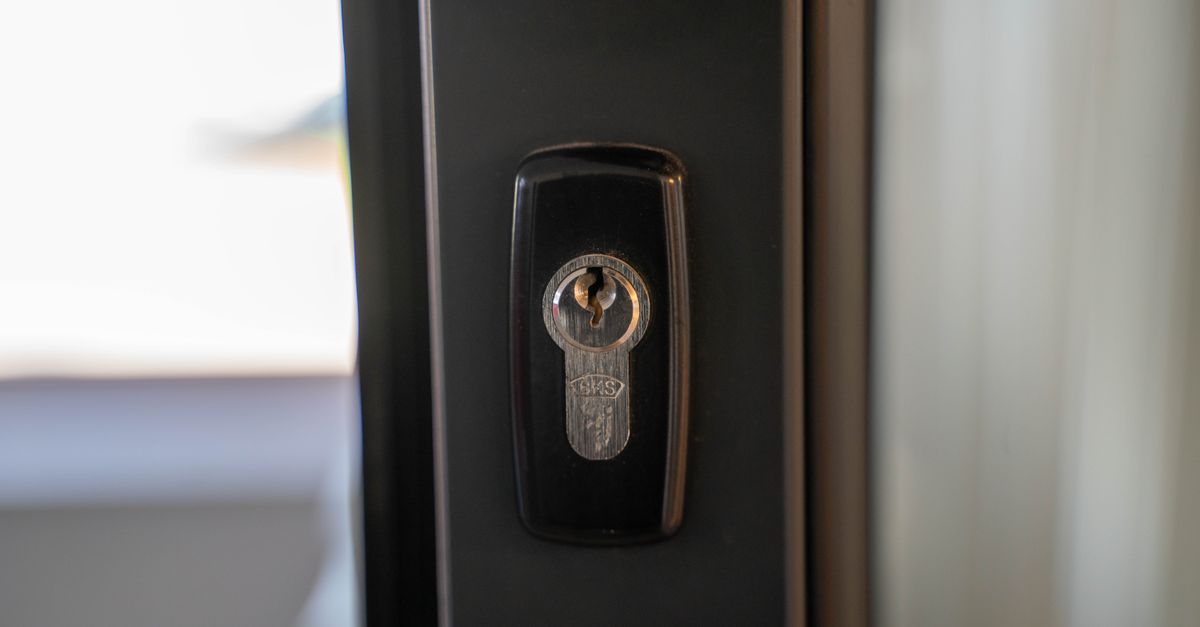
Before deciding which you need, it helps to understand the difference. The cylinder is the barrel you put your key into — the part that rotates and tells the mechanism to open. On a uPVC or composite door, this is almost always a euro cylinder, the oval-shaped insert held in by a single screw. On an older timber front door you might have a Yale-type nightlatch (which also has a small cylinder at its centre) or a 5-lever mortice deadlock recessed into the door edge. The lock itself — also called the case or the mechanism — is the larger body behind or inside the door: the mortice lock case, the nightlatch body, or the multipoint lock housing that runs up the full length of a uPVC door.
Swapping the cylinder leaves the case in place. Replacing the lock means removing the entire mechanism, which is a bigger job and usually involves adjusting the door frame, measuring the backset carefully, and ensuring the new hardware aligns with existing cut-outs. Neither job is beyond a trained locksmith, but they are genuinely different interventions — and confusing the two can lead to wasted money or, worse, a door that is still vulnerable.
## When a Cylinder Change Is Enough — and How It Works
[14] A cylinder change is usually the right call when the mechanism itself is sound but the keys are compromised. The most common scenarios: a tenant has left without returning all keys, you have lost a key and cannot be sure where it has ended up, or you want to match several doors to a single key after moving into a new property. This process — changing the cylinder so that old keys no longer work — is what most UK locksmiths recommend, because a new anti-snap euro cylinder costs relatively little and gives you a known, documented security baseline from day one. If you have been searching for how to change a lock cylinder or how to change a door lock cylinder, this cylinder replacement process is what your locksmith will almost certainly recommend.
The job itself involves removing the single retaining screw on the face of the door, sliding the old cylinder out (you turn the key about 10–15 degrees to release the cam), and inserting the new one. The whole process takes a skilled locksmith around 10–20 minutes on a standard uPVC door. The important measurement is the cylinder size: too short and the cam will not engage; too long and the protruding barrel becomes a snapping risk. Knowing how do you measure a backset on a mortise lock is relevant here too — the backset is the distance from the edge of the door to the centre of the keyhole, and it must match the new hardware exactly. Our team measures before ordering any parts, so there are no second trips.
## When You Need to Replace the Full Lock Mechanism
There are situations where a cylinder swap simply is not enough. If the mortice lock case has been damaged — during a break-in attempt, by wear, or by forcing — the internal levers or bolt mechanism may no longer engage correctly, and no new cylinder will fix that. Similarly, if a uPVC multipoint lock has dropped or the hooks and bolts no longer line up with the keeps in the frame, the fault is in the gearbox or the case, not the cylinder. This is the scenario covered by upvc door lock repair London calls: the door locks when you lift the handle, but it no longer feels secure or the handle has become stiff and difficult to operate.
Full lock replacement is also the answer when you are upgrading security. Insurance companies frequently ask for a 5-lever mortice deadlock that meets BS 3621, or a cylinder rated to TS007 3-star. If your existing case is a budget 2-lever mortice or an old euro cylinder with no anti-snap break point, fitting a quality cylinder into a substandard case leaves the weakest link intact. In those situations, our locksmiths will recommend changing the case as well — and explain exactly why before any work begins. If you are locked out of your home in Tooting right now and your door has already been damaged in an attempted forced entry, we operate as a 24 hour locksmith London service and can send someone straight away; we are usually with you in about 30 minutes.
Need help deciding what your door actually requires? Call 020 3675 7793 — we answer 24/7 and can often diagnose the situation from a brief description before we arrive.
## Combination and Digital Locks — Changing a Code vs. Changing a Lock
Combination and digital door locks are increasingly common on internal communal doors in blocks of flats, on garden gates to rear access points, and on some residential front doors in Tooting. If you need to change the code on a door lock — perhaps after a housemate moves out or a letting agent has had access — the process varies by brand and model, but it typically involves holding a reset button with a tool, entering the existing code, and then entering the new one following the manufacturer's sequence. It is not a locksmith job in most cases, though our team can assist if the mechanism has jammed or the reset sequence has been lost.
Knowing how do you change a combination lock code, or more broadly how do you change a combination lock, matters when you have an older wheel-type combination fitted to a storage cupboard or communal locker. These are set by opening the lock, turning the dials to a new sequence while the shackle is in a specific position, and then closing and testing. If the mechanism has seized or the wheels no longer click into position, the lock itself needs replacing rather than recoding. For electronic digital locks on front doors, 'changing the code' and 'changing the lock' are separate operations — and if the keypad or motor has failed, only a full lock change London intervention will restore security.
## What Each Job Involves in Practice — and What Affects the Cost
On a straightforward uPVC door, a cylinder change is a quick, low-disruption job: one screw, one measurement, one new cylinder, and you are handed fresh keys on the spot. A full multipoint lock replacement on the same door is more involved: the old mechanism must be unclipped from the door slab, the new one checked for compatibility with the door profile and existing keep positions in the frame, and the handle spindle and cylinder both refitted correctly. It takes longer, requires the right parts to be on the van, and the final quote reflects that.
For a 5-lever mortice deadlock on a timber door — common on the older bay-fronted houses along Totterdown Street or the Victorian conversions near Tooting Common — the locksmith needs to measure the backset precisely (this is exactly why the question of how do you measure a backset on a mortise lock matters), confirm the case dimensions match the mortice pocket in the door, and ensure the new lock aligns with the keep. The factors that shape the final price are: the type of lock and door, the parts required, the time of day (evenings, weekends, and bank holidays carry a different rate), and travel distance. We confirm an exact, up-front price on the phone before anyone comes out — there are no surprises on the invoice. As an experienced emergency locksmith London team, we carry a wide range of cylinder and lock stock on our vehicles so that most jobs are completed in a single visit.
If you are unsure whether your situation calls for a cylinder swap or a full door lock replacement London job, the fastest way to find out is to call us. We ask a few questions, give you an honest assessment, and confirm pricing before we set off. Call 020 3675 7793 — we answer 24/7, including evenings, weekends, and bank holidays.
## A Note on Being Locked Out — What to Do First
If you are locked out London and are deciding whether to try to solve the problem yourself before calling a locksmith, the safest steps are straightforward: check whether any other door or window has been left open from the inside (not the outside), contact someone who may hold a spare key, or reach your landlord, letting agent, or managing agent if you are a tenant. Do not attempt to force entry yourself — it is easy to damage a uPVC door beyond the point of a simple repair, and it can create legal complications if neighbours or passing police officers misread the situation. A trained locksmith can open most doors non-destructively, meaning the lock is preserved and you are back inside with no damage to show for it. If a cylinder has snapped — a known vulnerability on uPVC doors — a professional has the right extraction tools to clear the barrel without damaging the door slab or frame.
Frequently asked questions
[15] Do you need to change the cylinder on a new lock when you move into a property?+
Strictly speaking, 'changing the cylinder' in the UK context means replacing the cylinder so that old keys no longer work. When you move into a new property — whether bought through an estate agent or rented through a letting agent — you have no way of knowing how many copies of the original key exist. Previous owners, tradespeople, neighbours, and estate agents may all have had one at some point. For that reason, yes: changing the cylinder (or the full lock if the existing hardware does not meet BS 3621 or your insurer's requirements) is a sensible first step. It is a small, quick job that gives you a clean, documented start to your security.
How do I know if my uPVC door needs a new cylinder or a new multipoint lock?+
If the key turns but the door does not lock or unlock, the fault is usually in the multipoint mechanism — the gearbox or one of the hooks or bolts — rather than the cylinder. If the key is stiff, difficult to turn, or turns but nothing happens, a worn or damaged cylinder is the more likely cause. If the door has dropped slightly on its hinges and no longer sits flush in the frame, that is a hinge or frame issue that must be resolved before any lock or cylinder work is meaningful. When in doubt, describe the symptoms to our team on 020 3675 7793 and we will help you work out what is actually happening before committing to any work.
What factors affect how much a lock change costs?+
The main factors are the type of lock and door (a euro cylinder on a uPVC door is a different scope of work from a full 5-lever mortice replacement on a timber door), the specific parts required and whether they are on the van or need to be sourced, the time of day (evenings, weekends, and bank holidays affect the rate), and travel distance from our base in Tooting. We confirm an exact, up-front price on the phone before we come out — there is a call-out charge, and that is included in the quote we give you. Nothing is added once work begins without your agreement first.
Is it possible to change the code on a digital door lock without calling a locksmith?+
In most cases, yes — if the lock is functioning correctly and you have the existing code or the manufacturer's reset procedure. The process varies by brand and model, but it generally involves a physical reset button and a specific sequence of button presses. The manufacturer's instructions are usually the most reliable guide. However, if the keypad has stopped responding, the motor is making unusual sounds, or the reset procedure has been tried and failed, the lock mechanism itself may need replacing. That is a job for a trained locksmith, and our team carries a range of digital lock hardware for exactly these situations.