Tooting Locksmiths Service Team
Local locksmith team
14 Oct 2026 4 min read
If your home insurer has ever asked whether your front door has a BS3621 lock, you are not alone. It is one of the most common questions homeowners and tenants in Tooting and across London receive when taking out or renewing a buildings or contents policy — and it can feel surprisingly technical for something that sits on a door you open every day. This article explains exactly what the standard means, why insurers care about it, and how you can check your own locks right now without needing any specialist knowledge.
Knowing your lock specification is not just about satisfying a form. It is about genuinely understanding how well your front door would hold up under a determined attempt at forced entry. In a busy area like Tooting — where terraced Victorian and Edwardian properties line streets such as Mitcham Road and Tooting High Street, and purpose-built blocks of flats sit alongside converted houses — the right lock on the right door can make a real difference to your security and your insurance cover.
Frequently asked questions
My insurer says I need a BS3621 lock but I have a uPVC door — what should I do?+
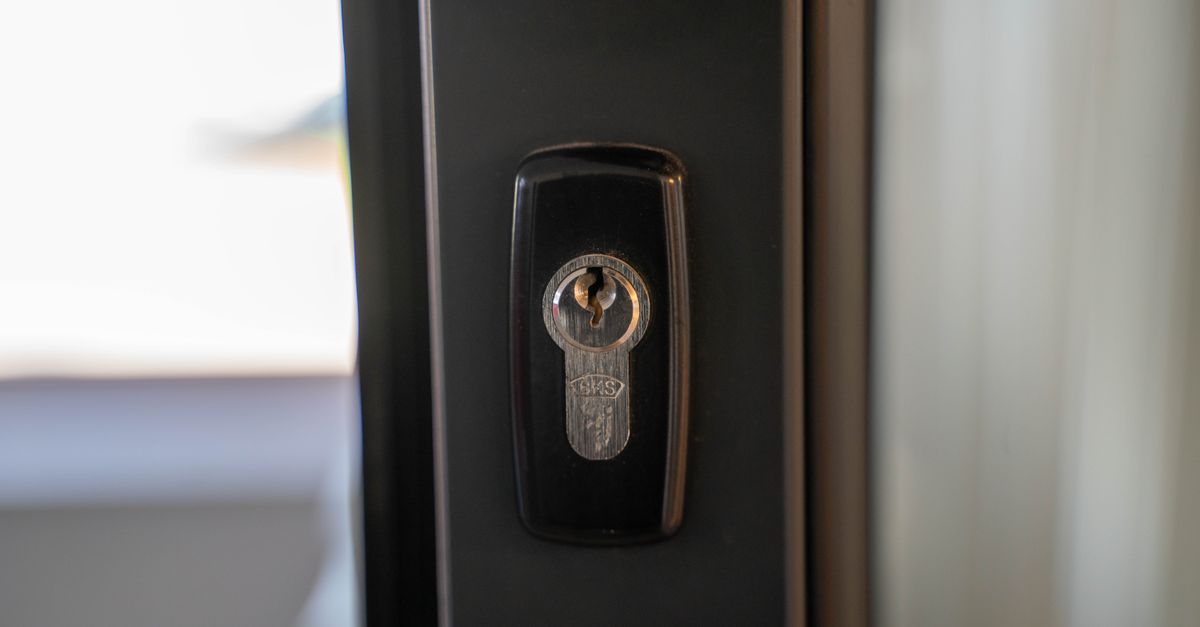
uPVC doors do not use a traditional mortice deadlock, so a standard BS3621 mortice specification does not straightforwardly apply to them. The security equivalent for a uPVC door is a TS007 3-star anti-snap euro cylinder combined with a correctly functioning multipoint locking mechanism. Contact your insurer and ask them to confirm in writing whether a TS007 3-star cylinder satisfies their security condition for your door type. Many now accept it. A qualified locksmith can inspect your existing cylinder and replace it with an anti-snap, anti-pick model if needed — it is a relatively quick job on most uPVC front doors.
How can I tell if my mortice deadlock has five levers or three?+
The easiest way is to open your front door, look at the faceplate on the edge of the door, and check for a British Standard kitemark and the words '5 Lever' or 'BS 3621'. If you see '3 Lever' or no marking at all, the lock is likely not BS3621 compliant. If the markings have worn away or the lock is very old, a locksmith can remove the lock body and confirm the lever count directly. It takes only a few minutes and removes all doubt. As a rule of thumb, a thinner, lighter lock body on an older door is more likely to be a three-lever model.
I have just moved into a rented flat in Tooting — can I change the locks without my landlord's permission?+
In most cases, no — you should get written permission from your landlord or letting agent before changing any lock in a rented property, as the locks are part of the fabric of the building and your tenancy agreement will usually require you to leave them as found. However, you have a legal right to feel secure in your home, and a reasonable landlord or letting agent should respond positively to a written request, particularly if you can point out that the existing lock does not meet BS3621 and therefore may affect the building's insurance. If your landlord is unresponsive and you have genuine security concerns, seek advice from your local council's private rented sector team. We are happy to advise on what lock types are appropriate before any work takes place.
What happens during a locked out London call — what should I expect?+
When you call 020 3675 7793 we will ask a few quick questions: your location, the door type (timber, uPVC, composite), and what has happened. This lets us confirm an exact up-front price before we set off, so you know the full cost before agreeing to anything. We will then send a locksmith straight away — we aim to be with you in about 30 minutes, though this depends on where you are and traffic conditions. On arrival, we will verify that you are the occupant or have authority to access the property, then open the door using non-destructive methods wherever possible. If the lock needs to be replaced afterwards, we will show you the options and confirm any additional cost before proceeding.